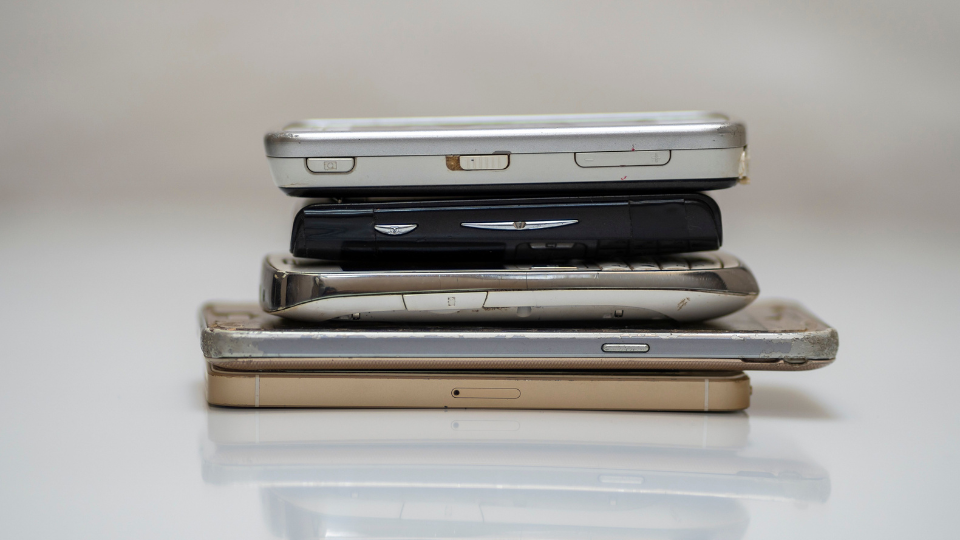
Millions of old phones sit unused in drawers every year. Beyond wasted value, this quietly adds to an enormous environmental problem — electronic waste (e‑waste) and carbon emissions — even before a device ever reaches a landfill or recycling centre. Let’s unpack why those dormant devices matter, and what you can do about it.
Why Keeping Old Phones Matters
Phones and Carbon Emissions
Manufacturing a smartphone is carbon‑intensive: 85‑95% of its carbon footprint occurs during production due to mining, assembly and shipping.
- The global smartphone supply chain cumulatively emits tens of millions of tonnes of CO₂ annually.
- Every device that isn’t reused or resold means that carbon footprint must be repeated for the next user’s phone.
The Global E‑Waste Problem
Electronic waste — including smartphones — is one of the fastest‑growing waste streams in the world:
- The world generated 62 million metric tons of e‑waste in 2022, projected to reach 82 million by 2030.
- Only around 15–20% of all e‑waste is formally recycled globally.
- Singapore produces about 60,000 tonnes of e‑waste annually, yet only ~6% is recycled.
These numbers underline the scale of the problem — and why keeping perfectly functional devices in drawers is part of the bigger issue.
The Hidden Value of Old Phones
Old phones aren’t worthless:
- Even models nearly a decade old can have trade‑in value — e.g., Apple iPhone 7 and Samsung S6 Edge (from 2015) can still fetch cash from buyback platforms like SellUp.
- Phones contain precious metals and components that are expensive and environmentally damaging to mine anew — reuse dramatically reduces this need.
Most people think their device has no value, fear the hassle of selling, or believe they’ll use it again one day — but this often leads to forgotten gadgets that harm the planet and waste personal value.
SellUp: Instant Value, Less Environmental Impact
SellUp makes it easy to reduce your carbon footprint and earn cash:
- Instant quote from multiple verified buyback partners — no guessing games.
- Price comparison across the largest network of trusted dealers means higher cash offers.
- Same‑day payment for eligible devices — faster than DIY marketplace negotiations.
By selling through SellUp instead of letting phones idle, you extend the device lifecycle and reduce demand for newly manufactured units — which is one of the best ways consumers can cut tech‑related emissions.
Read more about the rise of eco-conscious phone buyers in Singapore
Common Frequently Asked Questions
Why do unused electronic devices in drawers still matter to the environment?
Unused devices are effectively wasted; they could have been reused or resold, reducing the need for new devices and the carbon emissions linked to production.
How much e‑waste do smartphones contribute?
Smartphones and consumer electronics represent a significant share of the tens of millions of tonnes of global e‑waste each year.
Do older models still have trade‑in value?
Yes. Devices like the iPhone 7 and Samsung S6 Edge — nearly ten years old — still hold trade‑in value on SellUp.
Why sell through SellUp instead of recycling?
Resale extends a phone’s life, which reduces carbon footprint far more than recycling alone, since recycling still requires processing and often doesn’t recover all materials. SellUp also offers instant quotes, verified dealers, and same‑day payment.
Final Takeaway
Keeping old phones tucked away may seem harmless, but each unused device carries a hidden carbon and e‑waste cost. By selling through SellUp, you not only unlock cash value from devices that might otherwise sit forgotten, but you also actively reduce environmental impact by extending their lifecycle. One small action — getting an instant quote and sending your phone off — contributes to a more sustainable tech ecosystem while rewarding you financially. It’s a simple, practical way to make your gadgets work for both you and the planet.