Tablets once sat comfortably between smartphones and laptops, offering portability with larger screens. But in 2026, the resale landscape for tablets looks slightly different. With longer device lifespans, hybrid devices entering the market, and changing consumer habits, some sellers are noticing that tablets can be harder to resell than phones.
That does not mean the second-hand tablet market is disappearing — but it is evolving.
How the Second-Hand Tablet Market Has Changed
The tablet resale market has shifted noticeably over the past few years. Compared to smartphones, tablets move through the resale cycle more slowly.
One major reason is longer upgrade cycles.
Many users keep tablets for four to six years, often using them for light tasks such as streaming, reading, or note-taking. Unlike smartphones, which are replaced frequently due to camera improvements or battery wear, tablets tend to remain usable for longer.
As a result, resale supply and transaction frequency are lower than the smartphone market.
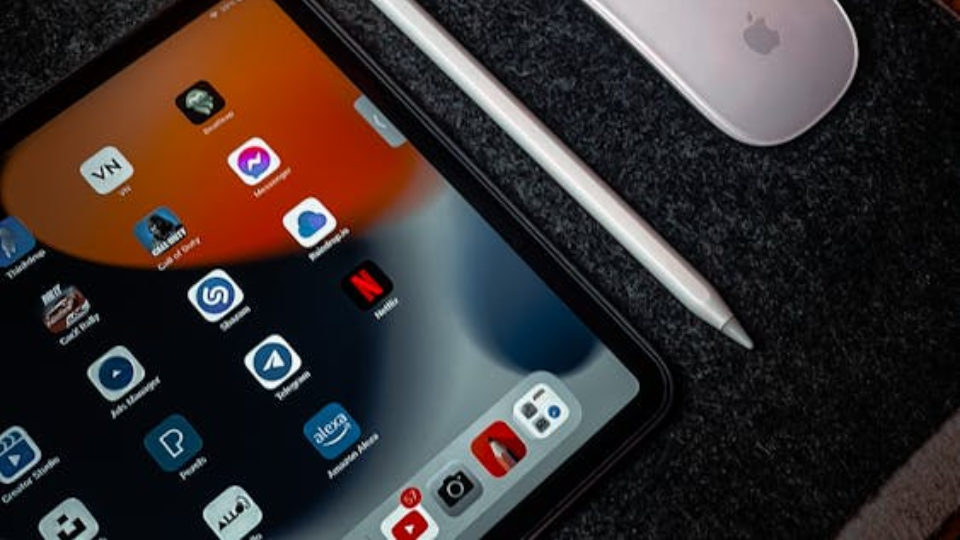
However, demand still exists — particularly for well-known models such as Apple iPads and Samsung Galaxy Tabs, which continue to attract buyers looking for reliable second-hand devices.
Older tablets that are slow, outdated, or have poor battery life tend to struggle the most in resale markets.
Why Tablets Are Often Harder to Resell Than Phones
While tablets still have a secondary market, several factors make them slower to sell compared to smartphones.
Longer upgrade cycles
- Tablets are typically replaced every 3-7 years
- Smartphones are upgraded every 2–3 years
- Fewer upgrades mean fewer resale listings
Lower urgency for replacement
Unlike phones, tablets are rarely essential daily devices. Many households share one tablet across multiple users.
Performance decline becomes more noticeable
When tablets begin to lag due to ageing processors or weaker batteries, buyers may prefer newer models instead of used devices.
For sellers, this means timing matters. Trading in a tablet while it still performs well often results in stronger resale value.
Do Hybrid Devices Affect Tablet Demand
Yes — the rise of hybrid devices has gradually reduced demand for standalone tablets.
Foldable phones, lightweight laptops, and large-screen smartphones now overlap with the tablet category.
Consumers today may choose devices that combine multiple roles instead of buying separate gadgets.
For example:
- Foldable phones offer tablet-like screen sizes when unfolded
- Ultralight laptops handle productivity tasks better
- Large smartphones already cover most media consumption needs
This overlap slightly shrinks the audience for traditional tablets. As a result, resale demand becomes more selective, favouring well-known brands and newer models.
Which Tablet Brands Hold Their Value Best
Not all tablets face the same resale challenges.
Apple iPads consistently retain the strongest resale value in the second-hand market.
Several factors contribute to this:
- Longer software support
- Strong performance longevity
- High brand trust among buyers
- A large ecosystem of accessories and apps
Samsung Galaxy Tabs also perform relatively well compared with lesser-known brands.
Budget Android tablets, on the other hand, often depreciate faster due to shorter software support cycles and weaker hardware performance.
Why Buyers Still Choose Used Tablets

Despite changing demand patterns, used tablets remain attractive to certain buyers.
Common reasons people buy second-hand tablets
- Value for money compared with brand-new devices
- Students who need a simple study device
- Casual users for streaming, reading, and browsing
- Families purchasing secondary devices for children
For these users, a well-maintained used tablet can deliver nearly the same experience as a new budget model — but at a significantly lower price.
This keeps a steady, if smaller, resale market active.
When Is the Best Time to Sell a Tablet
Tablet resale value drops gradually rather than sharply, but waiting too long can make devices difficult to sell.
A good rule of thumb is to trade in a tablet when:
- Battery life is still strong
- Performance remains smooth
- The device still receives software updates
Selling earlier helps maintain demand and prevents steep depreciation.
Platforms like SellUp simplify the process by offering instant quotes, price comparison across verified buyback partners, and same-day payment, helping sellers secure competitive offers quickly.
Because SellUp connects users with the largest network of buyback dealers, sellers can compare more offers and maximise their cash value even for older tablets.
Common Frequently Asked Questions
Why are tablets harder to resell than smartphones?
Tablets typically have longer upgrade cycles. Many users keep their tablets for three to seven years, which reduces how often they enter the resale market compared to smartphones that are replaced more frequently.
Do tablets lose value quickly?
Tablets generally depreciate more slowly than smartphones, but older models can become harder to sell once performance slows or software updates stop.
Which tablets are easiest to resell?
Premium tablets such as Apple iPads and Samsung Galaxy Tabs tend to attract the most buyer interest because they offer better performance longevity and longer software support.
What affects the resale price of a tablet?
Resale value is influenced by several factors including device age, storage capacity, battery condition, cosmetic condition, and whether the tablet still receives software updates.
Final Takeaway
Tablets are not disappearing from the resale market — but the landscape has shifted. Longer upgrade cycles and the rise of hybrid devices mean tablets move more slowly than smartphones in second-hand markets.
That said, demand remains steady for well-maintained, reputable models, especially iPads.
For sellers, the key is timing and platform choice. Trading in through SellUp allows users to check real-time prices, compare multiple buyback offers, and receive payment quickly — making it easier to sell tablets even in a slower resale market.