When selling your smartphone, you might wonder: what truly drives a buyer’s decision — a flawless screen or a healthy battery? Understanding what matters most can help you get the best cash value. Here’s a concise guide to balancing battery health and cosmetic condition.
Battery Health and Resale Value
What is Considered Healthy Battery Health and How it Affects Resale Value
- 90–100%: Excellent condition, close to new.
- 85–89%: Very good, minimal degradation.
- 80–84%: Acceptable for most buyers.
- Below 80%: Likely battery replacement soon.
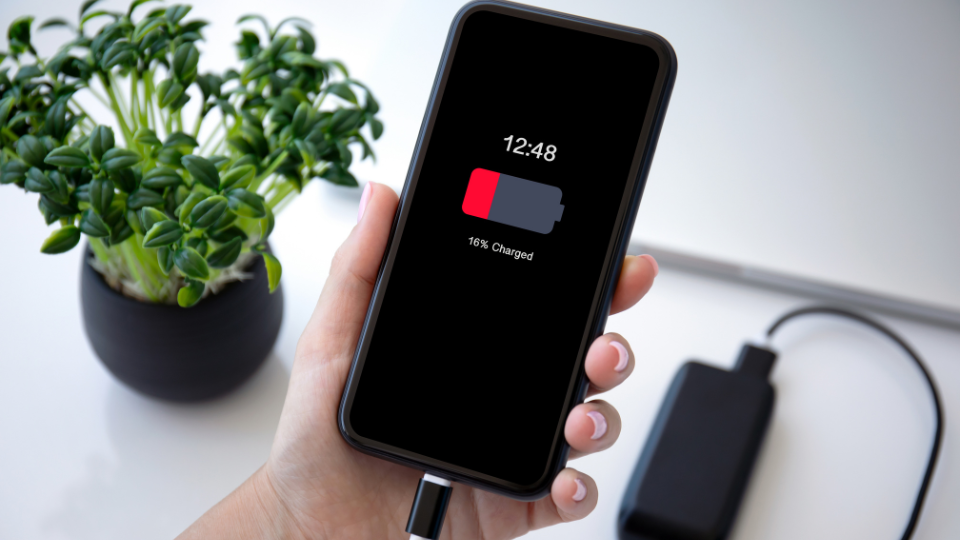
A battery health of 80% or above is generally considered healthy for used smartphones. Buyers are increasingly aware of battery degradation, and poor battery health can significantly reduce resale value, even if the device looks pristine.
Brands with Better Battery Longevity
Some smartphone brands maintain battery longevity better than others. According to Agoh.my, devices from certain manufacturers retain higher battery health after prolonged use, making them more attractive in resale markets.
| Brand | Battery Performance | Notes on Longevity | Resale Implication |
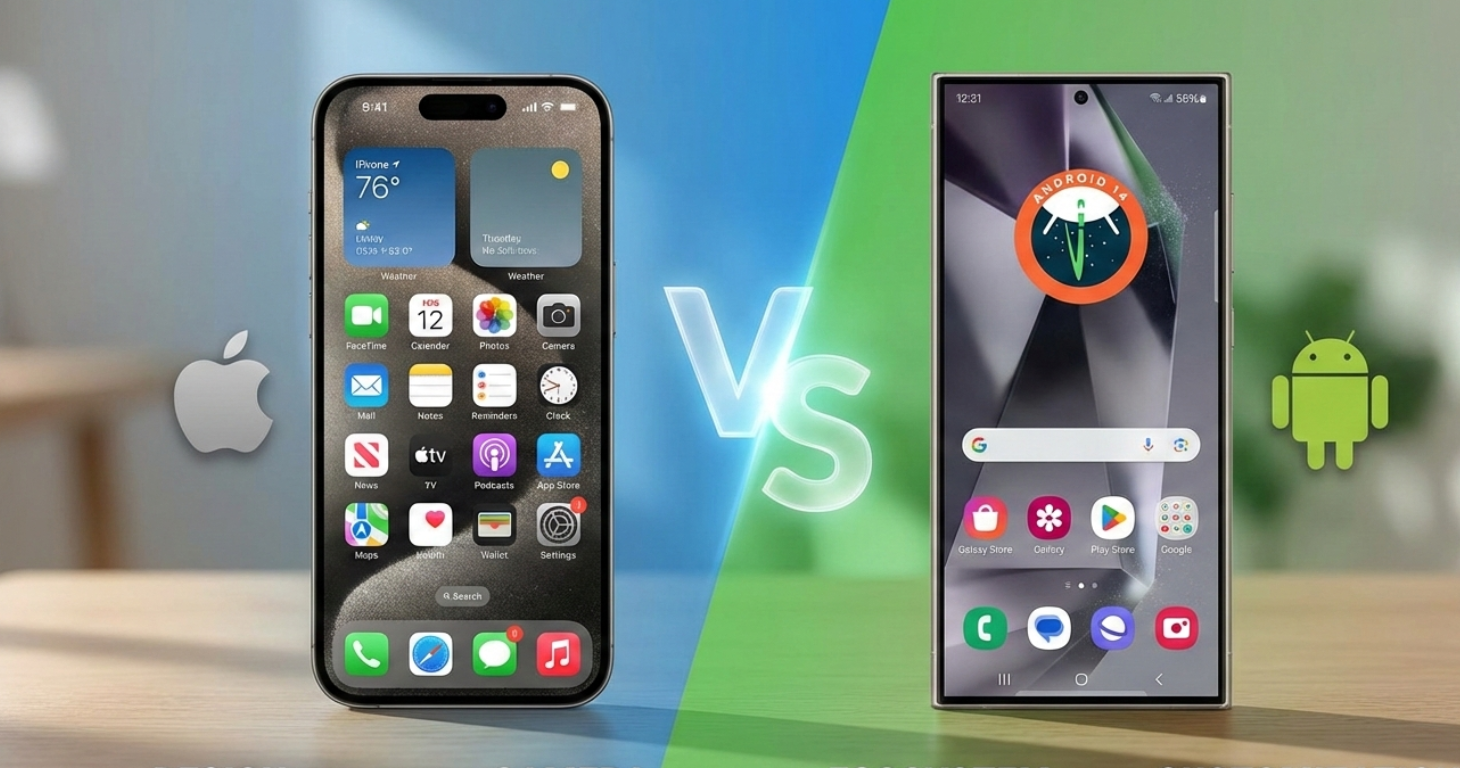
| Apple | Consistent | Clear battery health tracking via iOS; slow degradation | Devices >85% battery health command higher offers |
| Samsung | Solid | Efficient power management; flagship models handle heat better | S-series and Note-series devices retain value; mid-range may degrade faster |
| Huawei | Excellent | Good thermal management; slower capacity loss | Attractive to price-sensitive buyers seeking durability |
| Oppo | Moderate | Heat-sensitive; fast charging can accelerate wear | Resale drops faster if battery <80%, especially in hot climates |
| Xiaomi | Moderate | High performance can accelerate degradation under load | Buyers offer less if battery health dips early |
Maintaining Battery Health
- Avoid constant charging to 100% overnight.
- Keep battery between 20% and 80% when possible.
- Avoid excessive heat exposure.
- Use original or certified chargers.
Cosmetic Condition and Buyer Perception
Cosmetic Damage that Impacts Resale Value
- Cracked screen or glass (especially for low-end models).
- Deep dents affecting frame structure.
- Visible display damage.
- Signs of water damage.
Minor scratches and scuffs are often acceptable to buyers, but structural or screen damage can drastically lower the resale price.
Maintaining Cosmetic Condition
- Use a protective case and screen protector.
- Avoid dropping or placing the device in unsafe locations.
- Regularly clean the device with a microfiber cloth.
Battery vs Cosmetic: Which is more important
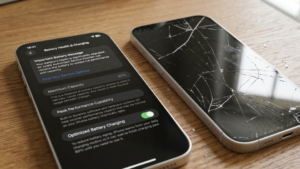
While both factors influence buyers, battery health often outweighs cosmetic perfection. Buyers can tolerate minor scratches but are reluctant to pay for devices needing battery replacement soon. Platforms like SellUp prioritise battery data in their instant quotes, allowing sellers to compare offers across verified dealers and receive same-day payment.
Common Frequently Asked Questions
Should I repair a cracked screen before selling?
It depends. The cost of replacement of cracked screen can outweigh the selling price of the set. You can check the repair cost here before committing to it.
How can I check my battery health?
Most smartphones display battery health in settings. Alternatively, apps or diagnostics tools can give a more detailed report.
What steps can I take to maintain battery and cosmetic condition?
Use original chargers, avoid full overnight charges, protect your phone with a case and screen protector, and keep it away from excessive heat or moisture.
Does phone brand affect battery longevity?
Yes, certain brands maintain better battery health over time, making their devices more appealing in resale markets.
Final Takeaway
When selling your smartphone, battery health is often the deciding factor for buyers, while cosmetic condition plays a supporting role. Maintaining both can help you get top value, but focusing on battery care and using SellUp to compare offers ensures a smooth, profitable trade-in.