Old phones, laptops and tablets aren’t just discarded electronic waste — they are raw material with latent value. Thanks to recommerce and tech recovery systems, many of these devices are refurbished, reused or responsibly recycled, helping reduce e‑waste while returning cash value to sellers.
How Devices Are Processed After Trade‑In
When you sell your device — for example, through SellUp with an instant quote and comparison across verified buyback partners — the journey doesn’t end at the payment. What happens to the device next is a structured process with diverse outcomes depending on its condition: refurbish, resell, dismantle, or recycle.
Inspection, Grading & Data Security
Every device first undergoes a detailed inspection and functionality test to assess which path it should take. Before any reuse or recycling, secure data wiping is performed to protect your privacy and meet legal standards.
Refurbishment & Reuse
Functional or repairable devices are cleaned, repaired, tested and certified for reuse. Refurbished tech is then resold to consumers, schools, NGOs, or small businesses looking for affordable devices. This extends the device’s life and reduces demand for new manufacturing, which in turn cuts carbon emissions and resource extraction.
Dismantling & Recycling
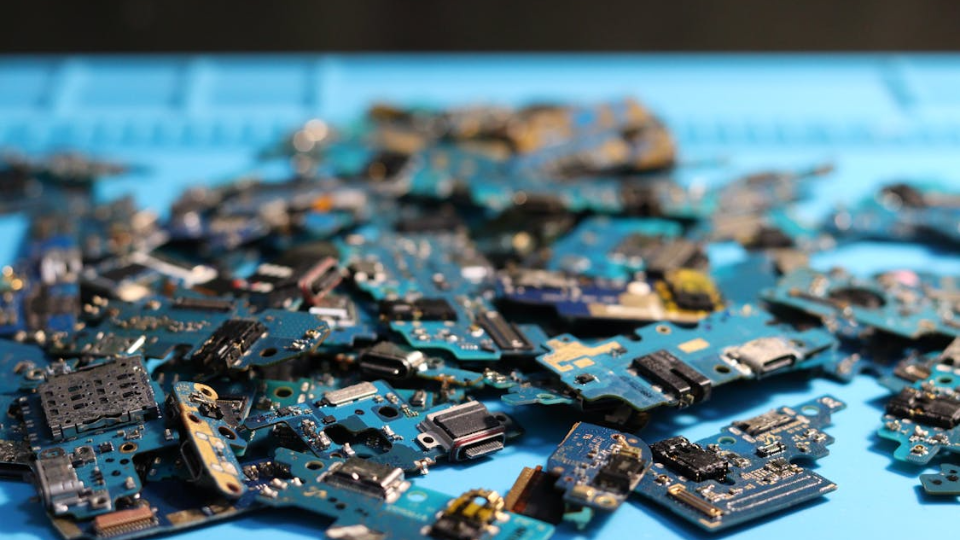
Devices that are beyond repair are disassembled into parts — plastics, metals, batteries and circuit boards — and treated at licensed recycling facilities. Precious materials such as copper and gold can be recovered and repurposed, limiting the extraction of virgin resources and preventing harmful components from ending up in landfills.
In places like Singapore, regulated e‑waste collection systems ensure electronics are handled properly and valuable resources are extracted safely under environmental guidelines.
How Tech Recovery Reduces Electronic Waste
Tech recovery isn’t just about resale — it’s a critical sustainability pathway that diverts vast amounts of electronic waste (e‑waste) from landfills. Global and local data underline the urgency:
- Singapore generates approximately 60,000 tonnes of e‑waste annually, yet only about 6% is formally recycled.
- Reuse and refurbishment help extend device lifecycles, reducing the environmental burden of electronics production and disposal.
By keeping devices in circulation through regeneration and resale, tech recovery supports a circular economy that prioritises repair and reuse over disposal — a key sustainability goal as we tackle ever‑growing e‑waste volumes.
What Makes a Device Impossible to Refurbish
Not all devices can be given a second life. Some types of physical damage make refurbishment or reuse impractical — or unsafe.
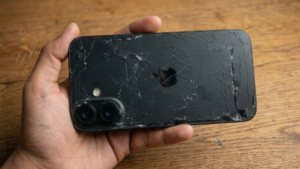
Common deal‑breaker conditions include:
- Severe structural damage: Crushed frames or bent chassis
- Irreparable water ingress or corrosion
- Destroyed logic boards or key internal components
- Missing essential hardware (e.g. CPUs or screens)
In these cases, devices are usually dismantled and recycled for parts, not put back on the market.
Criteria that Determine Device Outcomes
When sorting devices at recovery facilities, several key factors determine whether a device will be refurbished, resold, dismantled, or recycled:
- Functional Status: Whether the device powers on and operates reliably.
- Cosmetic Condition: Severity of scratches, dents, or screen damage.
- Component Salvageability: Parts such as batteries, displays, RAM or storage that can be reused.
- Age and Obsolescence: Older devices with outdated processors or unsupported software may be better suited for parts recovery.
- Safety & Compliance: Devices with damaged batteries or hazardous elements are prioritised for safe recycling.
Common Frequently Asked Questions
What happens to devices after they are sold to a trade‑in or resale platform?
After trade‑in, devices are inspected, graded and wiped of personal data. Those that function well are refurbished and resold, while others are dismantled and recycled.
How does tech recovery help reduce electronic waste?
Tech recovery keeps devices and components out of landfills, extends their useful life, and reduces the need for resource‑intensive manufacturing processes.
Which physical damage makes a phone impossible to refurbish?
Severe structural damage, irreversible water damage, or destroyed internal components often prevent refurbishment and send devices to recycling streams.
What criteria determine whether a device is refurbished, resold, dismantled or recycled?
Judgements are based on functionality, cosmetic condition, salvageable components, age and safety considerations.
Final Takeaway
The tech recovery process transforms discarded devices from potential waste into value‑creating assets — through reuse, refurbishment, parts salvage, and recycling. It aligns economic opportunity with environmental responsibility. By selling devices through trusted platforms like SellUp (which provides price comparison across the largest network of buyback dealers), everyday consumers play a part in building a more sustainable tech ecosystem. This not only returns cash value but also contributes to reducing the global e‑waste burden in a meaningful way.