The 2026 Mid-Range Dilemma: Is the Pixel 10a Enough?
As of 2026, there has never been a better time to be a tech lover as the line between flagship and budget devices across the entire range continues to become even more blurred. No longer are we defined by “budget vs. flagship” as mid-range devices increase in quality and price to compete with their more expensive counterparts.
The average tech user now faces a difficult question: Is there really any reason to pay premium prices for the best devices when you may be able to find a device that fits your daily use for much less? This article will examine this question by closely examining all of the essential features of the new Google Pixel 10a to determine if it can be classified as “Good Enough.” The features we will evaluate include camera features, display technology, performance and battery life.
Pixel 10a Technical Specifications
| Dimensions & Weight | 153,9 x 73 x 9 mm
183 grams |
| Screen | 6.3-inch pOLED (Actua Display)
FullHD+ resolution (2424 x 1080 pixels) 422 ppp 20:9 aspect ratio Refresh rate: 60-120 Hz Maximum brightness: 2,000 nits Peak brightness: 3,000 nits Gorilla Glass 7i HDR |
| Processor | Google Tensor G4
Titan M2 Coprocessor |
| RAM Memory | 8 GB |
| Internal Storage | 128/256 GB |
| Rear Camera | Principal: 48 MP, f/1.7, FOV 82º, Super Res Zoom x8
Wide angle: 13 MP, f/2.2, FOV 120º OIS+EIS 4K video at 60 FPS |
| Front Camera | 13 MP f/2.2, FOV 96.1º
4K video at 30 FPS |
| Battery | 5,100 mAh
30W fast charging Qi wireless charging (10W) |
| Operating System | Android 16
7 years of Android and security updates |
| Connectivity | USB Type-C 3.2
Dual SIM (nanoSIM+eSIM) WiFi 6E 5G Bluetooth 6 NFC GPS |
| Others | Google AI
IP68 resistance Optical fingerprint reader under the screen 2x microphones |
Display and Durability Upgrades
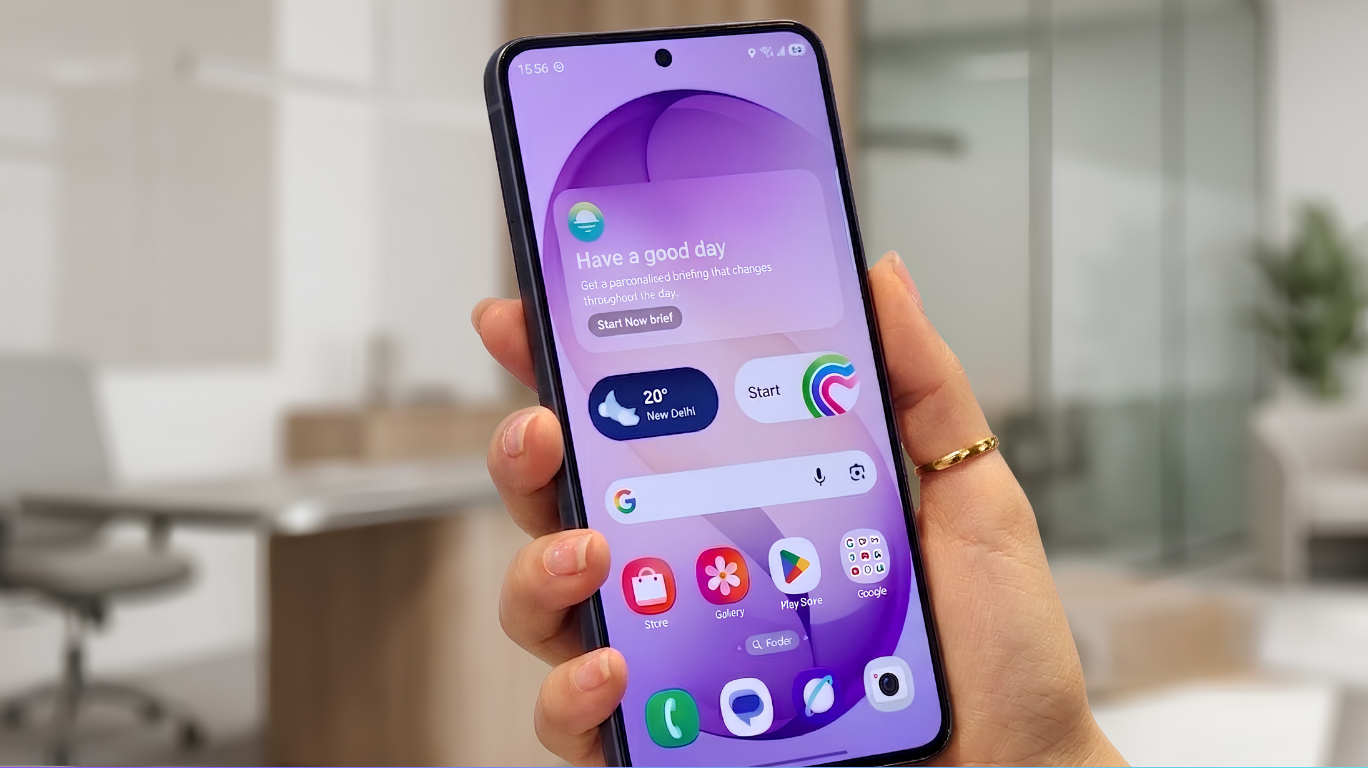
The Pixel 10a includes a 6.3″ pOLED Actua Display with a pixel density of 2,424 × 1,080 (422 ppi) and a 60–120 Hz adaptive refresh rate that is smooth. The biggest improvement from the Pixel 9a is the highest brightness of the screen, which can reach up to 3,000 nits (compared with 2,700 on the Pixel 9a) and allows for excellent visibility in direct sunlight. In addition, more durable improvements have been made by replacing Gorilla Glass 3 with Corning Gorilla Glass 7i – a much thinner, stronger glass than the previous generation—and increasing its ability to resist scratches and drops. There’s also an IP68 rating for protection against dust and water, which has not been available in the A series until now, making the Pixel 10a the most durable budget option available from Google.
Performance: The Tensor G4 Holdover
The new Google Pixel 10a comes equipped with the Tensor G4 processor and 8 GB of RAM with a Tital M2 security processor. For those tracking the silicon wars, this is somewhat of a controversial decision since this is exactly the same processor used in the older Pixel 9 models. From a hardware specifications standpoint, the lack of evolution in processors may appear as a disappointment, especially considering the competition at midrange for 2026 will be much stronger.
However, the day-to-day experience of using the Pixel 10a is more complex than the spec sheet would indicate, while synthetic benchmark tests show the differences in performance between the Pixel 10a and more recent Snapdragon or MediaTek chips, the real-world performance of the Pixel 10a is impressive, given how the G4 has been tuned to work with the device’s software environment (i.e., apps launch quickly, and multitasking is responsive).
For example, the G4 runs graphically intensive games at maximum settings without dropping frames, which indicates there is more to determining performance than simply the amount of raw power used to drive a processor; the G4 will perform well for the majority of tasks. However, for those who desire cutting-edge silicon or a processor that will remain viable for games to come, the fact that the G4 is two years old creates the biggest shortcoming of the Pixel 10a.
Looking for raw power? Read our review about the S26 Ultra!
Camera Review
The Pixel 10a’s camera hardware continues Google’s formula with the same dual-sensor array as its predecessor: a 48MP main sensor and a 13MP ultra-wide sensor. What really sets this camera apart, however, is its computational photography capabilities—specifically, the level of AI processing that drives an industry-leading ‘studio-look’ for photos. The Pixel’s distinctive look is achieved through careful balancing of saturation, white balance, and HDR (High Dynamic Range) to produce photos that are ready to be shared with little effort.
The Pixel’s consistency when taking pictures is excellent, the primary camera does well in both bright and low-light situations, pulling detail out of shadows whilst retaining natural color temperatures. However, there’s no telephoto lens, features like “Add Me” use Gemini AI to aid in creative composition, but ultimately, it is the software that saves the day—proving that there are still amazing pictures to be made from outdated camera sensors.
Connectivity and Battery: Satellite SOS Arrives
The Pixel 10a has been given a much-needed upgrade in terms of connectivity with the addition of Bluetooth 6.0 and Wi-Fi 6E, keeping it up-to-date with all of the latest standards in high-speed communications. The biggest addition, though, is Satellite SOS capabilities, which are now available to those who use mid-range devices and give them peace of mind if they find themselves in a remote location without any way to contact help. The heart of these features is a large 5,100 mAh battery that can easily last 2 days with moderate use. In terms of charging, it supports fast 30 Watt wired charging as well as fast 10 Watt wireless charging. Although it does not have quite as high of charging speeds as competing devices, the efficiency of Android 16 will make sure it continues to perform reliably for years to come for mobile professionals.
Final Verdict: Who Should Buy the Pixel 10a?
For users looking for long-lasting software quality and consistent photography performance instead of just focusing on the latest and highest performing hardware technologies, the Google Pixel 10a is your perfect device. Although some hardcore techies may not like having the same old Tensor G4 processor or no telephoto camera, the groundbreaking seven-year support guarantee and incredible AI features provide tremendous value within the mid-range smartphone segment. If you want a small, dependable device that provides an intelligent smartphone experience without expensive flagship prices, the Pixel 10a is the right choice for you. If you love a simple User Interface and first-class image processing, you’ll love the 10a!
Want to learn more? Read our article comparing iPhone vs. Android