New year, new phone! Are you eager to upgrade your device and find yourself drawn to the significant savings offered by a pre-owned model? If the idea of high-end tech at a fraction of the cost appeals to you, this article is made just for you.
According to Mordor Intelligence, “The used and refurbished smartphone market is expected to grow from USD 65.20 billion in 2025 to USD 69.66 billion in 2026.” The reason behind this? Sustainability and value for money have become central to consumer habits, especially in Singapore this year. However, the core question remains: is buying a used device a wise move today? Before clicking “buy now,” let’s dive into the used phone pros and cons to see if it’s the right fit for you.
Weighing the used phone pros and cons
The pros: affordability, reliability and carbon savings

Choosing a pre-owned device may offer a powerful combination of significant financial savings, professional-grade reliability, and a measurable positive impact on our local environment.
Affordability: Get more features at a lower cost
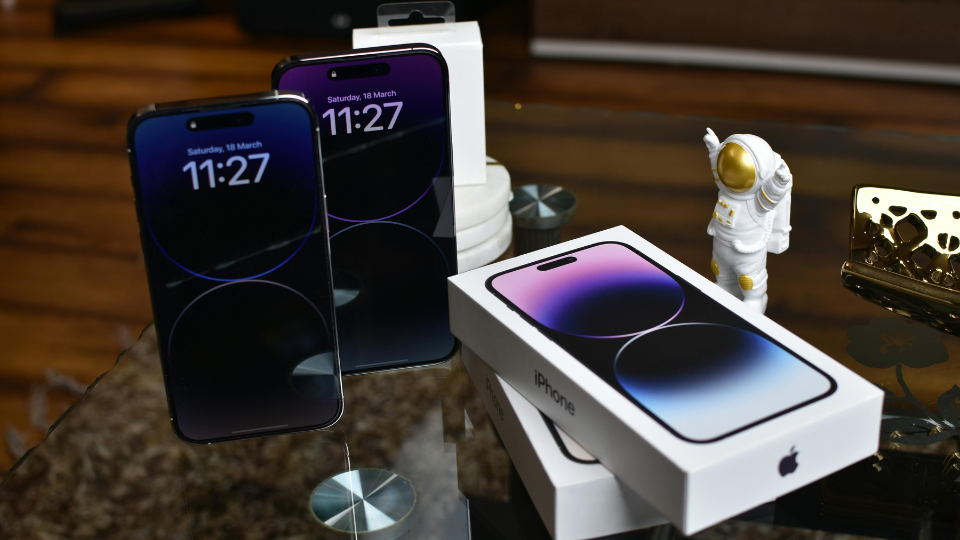
If you are on a budget or don’t want to spend more getting a brand-new mobile, a secondhand phone Singapore deal may be the right fit. High-end models often carry prohibitive price tags upon release. By entering the secondhand market, you can get premium hardware at 40–60% off the original retail price. This substantial discount allows you to access superior camera systems, expanded storage, and faster processors that would otherwise remain out of your reach.
Reducing e-waste and carbon savings: A conscious decision
If you’re eco-conscious, this may be the road to take. Choosing refurbished directly addresses Singapore’s e-waste output. According to the Global E-waste Monitor 2024, Singapore is the fourth country in Asia with the highest e-waste per capita (20 kg per capita).
Beyond waste reduction, the environmental benefits are staggering; a refurbished device carries a 78% lower carbon footprint than a newly manufactured one, which requires intensive resource extraction and energy. By extending a device’s lifecycle, you are making a high-impact contribution toward sustainability goals, effectively reducing your personal environmental legacy while supporting a circular economy within the Lion City.
Reliability of used phone in Singapore
You know what you get! Older models offer the advantage of proven performance. Unlike unvetted new releases, their real-world battery life and software stability are thoroughly documented. You can accurately gauge the remaining software support lifecycle, ensuring your device remains secure and functional without the unpredictability of first-generation hardware bugs or unexpected performance throttling.
The potential pitfalls of used phone Singapore
While the advantages are strong, purchasing a secondhand phone requires careful consideration of key drawbacks. Awareness and proactive checks can help you navigate these risks effectively and secure a worthwhile device.
Limited or no warranty
Protection varies drastically. Reputable shops often provide up to 30-days warranty, offering peace of mind. Conversely, private seller transactions are typically “as-is,” meaning you assume all post-purchase risk. Always prioritize certified refurbishers for essential buyer protection.
Battery health degradation
Lithium-ion batteries naturally degrade, and in 2026, this remains the most common secondhand complaint. Always verify the “Maximum Capacity” in the settings menu; a health percentage below 80% often leads to unexpected shutdowns and performance throttling. When buying used, it is wise to factor a $70–$120 battery replacement cost into your final offer to ensure the device remains usable.
External condition
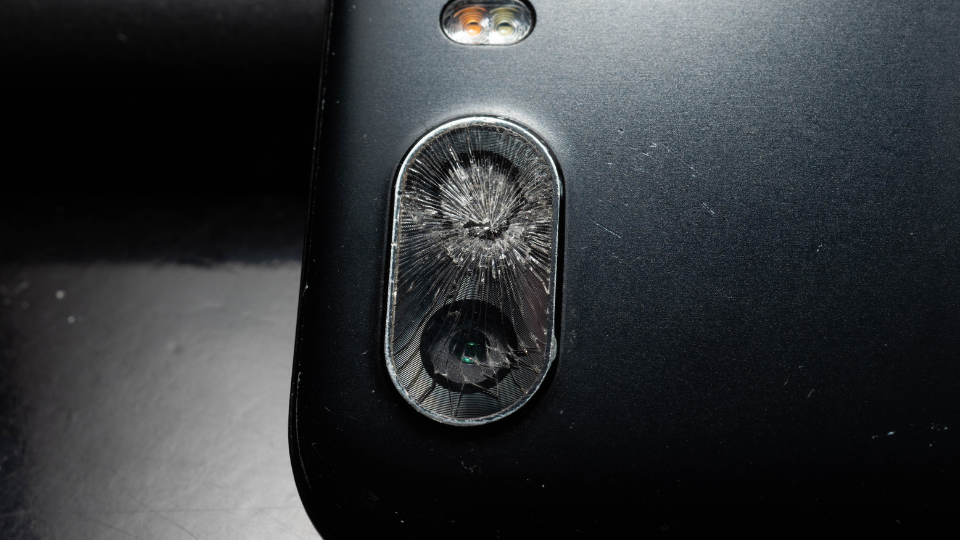
Expect signs of wear like minor scratches or dents. The real risk lies in poorly performed hidden repairs that compromise water resistance or structural integrity. Inspect the device thoroughly under good light and check for uneven seams or screen discoloration.
Obsolete software support
A bargain flagship is a liability if it no longer receives security updates. In 2026, several popular legacy models are reaching the end of their manufacturer support cycles, leaving your personal data vulnerable to modern exploits. Before committing, cross-reference the model’s “End of Life” (EOL) date. Prioritize devices with at least three years of remaining security patches to maintain app functionality.
Key takeaways: what to verify before you buy a used phone in Singapore
While deals are abundant, the technical complexity of modern devices means a cursory glance is no longer sufficient. To avoid feeling the “buyer’s remorse,” we create an essential checklist to help you separate a smart deal from a potential problem, ensuring you invest in a device that is reliable and legitimate.
Battery health
For a worthwhile purchase, insist on seeing a screenshot from the phone’s settings displaying the battery health percentage. A reading above 85% indicates good remaining capacity for daily use. Anything significantly lower necessitates budgeting for an imminent battery replacement, which can add $50–$100 to your total cost. Never rely on verbal assurances alone!
Physical & functional tests
Conduct a thorough hands-on inspection. Examine the screen for dead pixels or unresponsive areas under a solid color. Test every physical button, camera (including all lenses), charging port, speaker, and microphone. Check for moisture indicators and ensure Face ID or fingerprint sensors work flawlessly.
Source Verification
Nowadays, buying from a licensed dealer specializing in certified refurbished phones is safer than ever. These established retailers are regulated, perform professional diagnostics, and ensure full financial clearance. They offer a protected consumer experience that private sellers simply cannot match, justifying a slightly higher price for immense peace of mind.
Final Review: Is going used right for you?
The market for a secondhand phone Singapore in 2026 is ideal for value-driven, eco-conscious buyers who are comfortable performing their own technical research. If you prioritize high-end specs at a lower price point and value reducing your environmental footprint, the pre-owned route offers a great cost-to-performance ratio. If you understand that a one-year-old flagship often outperforms brand-new mid-range models at the same price, then a used phone is the right fit for you.
However, you should reconsider it if you intend to keep a single device for four or more years, in this case may find better long-term value in a new phone’s full manufacturer warranty and extended software support cycle.
Finally, if you set your mind follow the necessary verification steps, buying a used phone in Singapore isn’t just a budget-friendly compromise—it is a sophisticated, sustainable choice. In 2026, informed purchasing makes the secondary market a premier destination for savvy tech consumers.