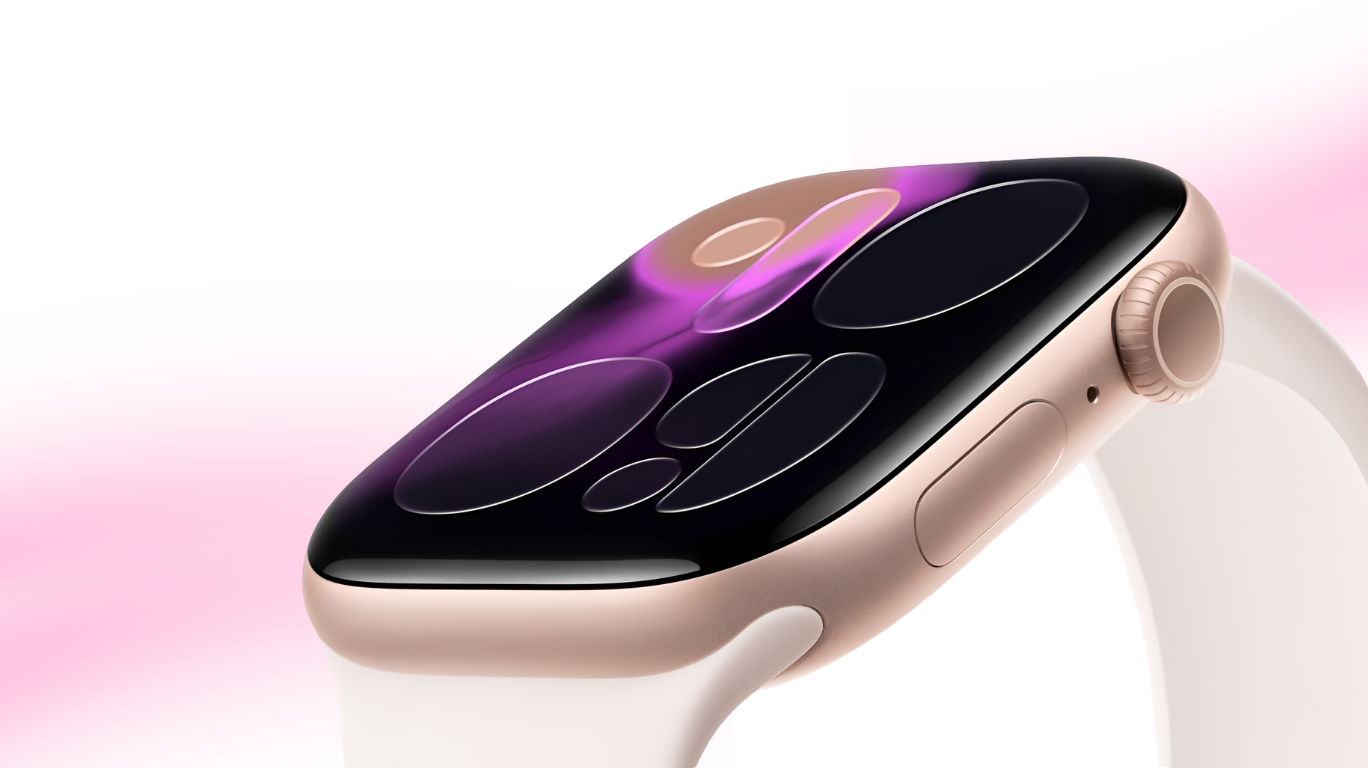
Selling a used smartwatch requires a slightly different strategy than selling a smartphone. While phones follow a somewhat predictable depreciation curve, smartwatches are a more nuanced category, often viewed by buyers as a more personal and potentially “disposable” accessory. This guide is created to simplify the resale process, you will see all of the different factors that impact how much your used smartwatch is worth, including the annual refresh cycle and battery health (probably one of the biggest factors) as well as software support by the manufacturer after purchase. Knowing these basic drivers will help you establish a good and fair price while attracting potential buyers who are willing to make serious offers.
The Depreciation Curve: Why Smartwatches Differ from Phones
The depreciation curve of the wearable-device industry is much sharper than for smartphones. This is due to the personal, wearable nature of smartwatches. They are considered semi-disposable by the secondary marketplace, and most devices that are not tied to a premium ecosystem (e.g., Apple, Samsung) will drop rapidly in resale value. Finding a used Apple Watch sale can often be easier for a buyer than finding a high-end Android equivalent because of this value retention.
Consider these market facts:
- First-Year Depreciation: A regular smartwatch can depreciate as much as 30 – 40 percent within the first 12 months from the original retail price.
- Premium Ecosystem Depreciation: A device that resides within a locked ecosystem will retain an additional 15 – 20 percent of its value over the same period.
When pricing a used smartwatch for resale, keep in mind that they depreciate faster in the buyer’s eyes than many other electronic devices.
Smartwatch Battery Health: The Modern Price Anchor
Smartwatch battery longevity is essentially the primary indicator of whether or not a buyer is willing to purchase the item. When considering battery health vs. cosmetic condition, buyers almost always prioritize the internal power capacity over minor surface scratches.
Assessing Capacity Loss
Smartwatch batteries are often sealed behind watertight adhesives, which makes it difficult and expensive to replace them once they start showing signs of wear — unlike smartphones, which usually have removable batteries. This has heightened buyers’ attention to remaining battery lifespan, with market data indicating that a pre owned Apple Watch still holding at least 90% of its original charge will sell for at least 15% more than heavily used devices.
Using Diagnostic Tools to Validate Battery Life
In order to validate top-tier pricing within your listing for the item, you need to validate your battery’s condition through transparency.
- Utilizing Built-In Analytics: A variety of native OS battery health indicators can be utilized to provide an estimated remaining battery life (example: Apple’s Watch includes a “Maximum Capacity” percentage).
- Using Third-Party Diagnostics: Third-party developer-created battery health diagnostics and/or data obtained from linked smartphones can be used to calculate battery health for cases where native tools are not available (example: the Android operating system).
- Using Screenshot Documentation: Listings containing verified screenshots that reflect at least an 85% battery health will generate sales 40% faster than listings without verified screenshots.
Researching the Competition: Benchmarking Your Listing
To derive an accurate price for your device, you have to stop thinking about active listings and concentrate on completed transactions. Although browsing active local marketplace sites (SellUp, Facebook Marketplace, etc.) provides you a starting point as to what sellers are currently asking for their smartwatches, it does not tell you what a buyer will pay for them at that moment.
In order to arrive at a realistic price point (i.e., starting a used Apple Watch sale), you need to filter your search to only include “Sold” / “Completed” items to understand what the historical sale price is for your specific model and condition. By researching the sale price of comparable devices, you will be able to more accurately position your used smartwatch in the competitive resale marketplace, ensuring both a quicker sale and maximum return on your device.
The “Complete Set” Bonus: Box, Cables, and Straps
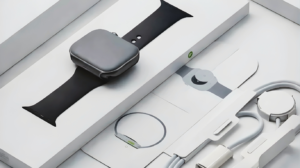
In the world of used tech, presentation and convenience translate directly into dollars. Smartwatches, in particular, rely on proprietary hardware that is expensive and annoying to replace. Including the full original kit can add a tangible premium of 10-15% to your final sale price.
Here’s why this matters to the tech-savvy buyer:
- First, the proprietary charging puck is non-negotiable. A buyer knows that a replacement OEM charger from the manufacturer can cost $29 or more. Selling your watch without it immediately puts the buyer in a position to haggle down or simply scroll to the next listing.
- Second, including the original box and manuals signals a specific type of ownership. It implies the device was likely cared for by an enthusiast who values their gear, reducing the buyer’s perceived risk of damage or neglect. This allows you to market a pre owned Apple Watch as a “Full Kit” or “Complete in Box.”
This distinction is a powerful psychological anchor; it minimizes friction for the buyer who wants a seamless, “like-new” unboxing experience, thereby justifying a top-tier asking price within your competitive set.
Factoring in Software Support and Ecosystem Relevance
If your device is still receiving updates, it demands a higher asking price. Consumers are willing to pay more for a pre owned Apple Watch with live software because outdated software reduces application compatibility and exposes customers to security breaches.
If a device is running the latest version of its OS, it is still considered a compatible extension of the smartphone ecosystem rather than just a fitness tracker. This is a key detail to highlight during a used smartwatch sale to justify a higher price point.
Conclusion: Finding the Sweet Spot for a Fast Sale
Pricing is ultimately a game of psychology within a defined market bracket. Setting your initial ask slightly above your true walk-away number creates essential negotiation leverage. Buyers expect to haggle, and conceding ten dollars preserves their sense of victory while protecting your bottom line. Anchoring high—especially when backed by a “Full Kit” premium—frames the conversation around your item’s superior condition rather than just the lowest available alternative. This strategy filters out extreme low-ball offers and signals confidence, ensuring you secure a fast, profitable sale without leaving money on the table. And before you list your watch, it’s also wise to find out if your device has been refurbished, as that can significantly affect its resale value.