Introduction
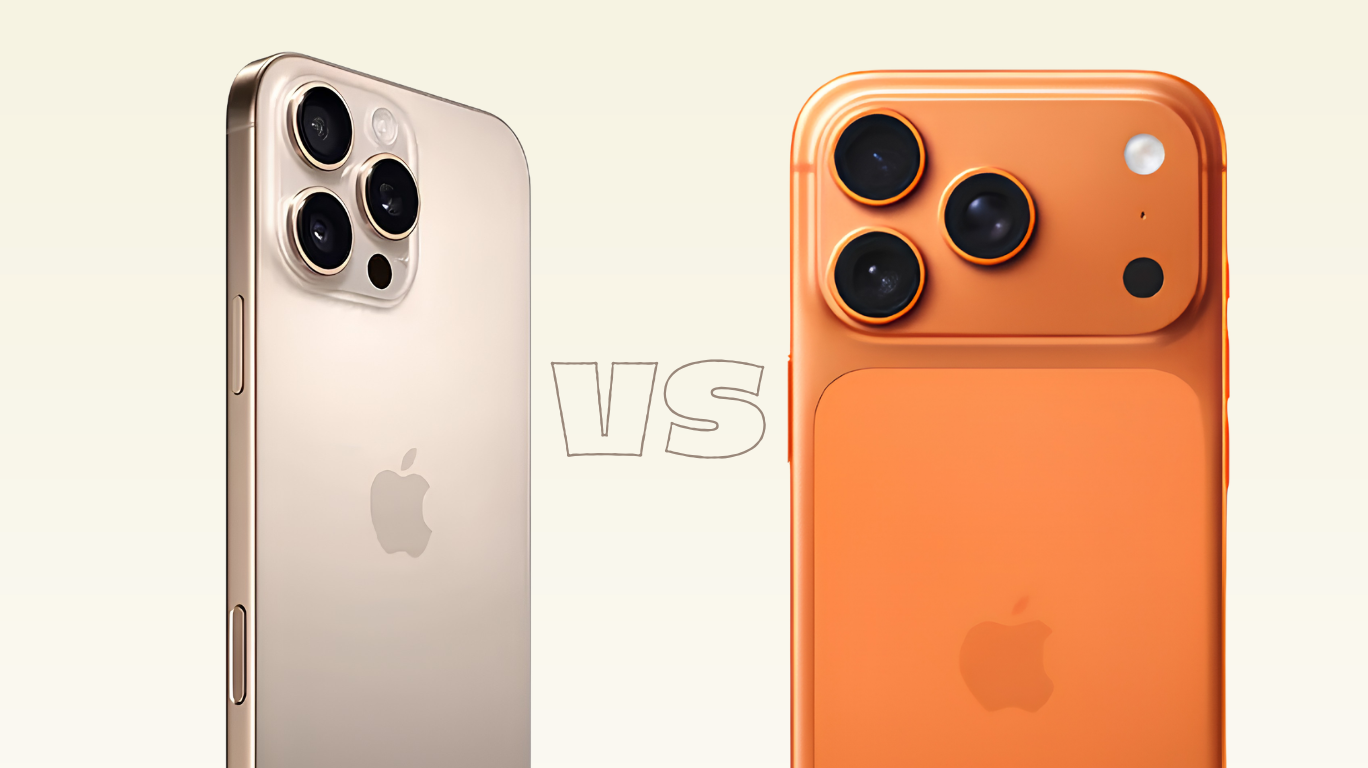
A brand-new iPhone series is out now, but beyond the innovations of the new lineup, the key focus lies in how its launch reshapes overall market dynamics. This article analyzes how major flagship launches trigger price movements across various device tiers in the local retail and secondary markets. By examining historical depreciation rates of the previous iPhone generation alongside price adjustments for competing high-end Android models, this guide provides statistical context for consumers planning a new device purchase or evaluating their current phone’s trade-in value.
Let’s get started!
Understanding the “New iPhone Effect”
The “New iPhone effect” describes how a new flagship launch redirects buyer attention and shifts demand. When the iPhone 18 Pro and 18 Pro Max make their debut in Singapore, some users sell their older iPhone devices in order to upgrade, which increases the number of secondhand phones on the market.
Consumer psychology plays a key role
Novelty, status, and the desire to own the newest model make older devices less attractive, even when still capable. Consequently, prices for the previous generation often adjust downward—commonly around 20% within the first year, based on observed resale listings—rather than falling instantly or uniformly. High-end Android phones experience price drops, but for different reasons. This shift creates potential deal windows for buyers.
Apple’s Official Price Drops: Which iPhones Got Cheaper
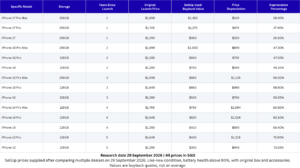
The release of the iPhone 18 Pro series has triggered expected price revisions across older generations in Singapore. Historical launch metrics reveal that previous-generation flagship devices—such as the iPhone 17 Pro and Pro Max—typically experience a 5% to 10% drop in secondary market and trade-in values within weeks of a new launch cycle. Meanwhile, base-tier models retain valuation better due to high steady-state demand.
For interested buyers, this change creates a good opportunity to get last year’s flagship at significant markdowns, offering strong performance without paying the current premium price. However, for potential sellers holding older devices, trade-in buyback values decline rapidly as post-launch secondary market supply increases. Acting quickly within the initial launch window is essential to secure maximum residual value before secondary market prices reach their lowest seasonal baseline.
Android Flagships Comparison
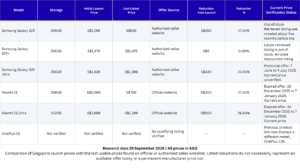
Trends of depreciation regarding high-end Android flagships in Singapore showcase a completely different path than what occurs with iOS devices. Based on the latest pricing data, it turns out that premium Android devices suffer steep declines throughout their product lifespans due to depreciation that fluctuates anywhere between 25% and 40% from the initial launch price in the local market. A fair percentage of the reason for this depreciation is associated with the product life cycle since many of these units have been available for almost a year even before the release of the iPhone.
Moreover, the high demand from buyers, due to the marketing efforts, discount offers by retailers, and many trading-in incentives offered during the last year and early in 2026, led some older high-end products to be completely sold out in various sales outlets. This demonstrates to users how timing and product age can impact the residual value and product availability in the competitive marketplace.
Are Mid-Range and Budget Phones Also Affected?
The mid-range category usually suffers timid price drops to avoid cannibalizing lower-tier segments. However, retailers routinely clear out previous-generation mid-range inventory at steep clearance discounts to make room for updated stock.
When hunting for these deals, look for devices that already offered strong specifications—such as 120Hz displays, multi-day battery life, and high-quality primary cameras—at launch.
Is Now the Right Time to Buy?
Reasons to buy now
- Following major product launches (like the new iPhone 18 series), the price of older generation devices drops around by 15-30%.
- After a new product launch these retailers and marketplaces are fully stocked up with older generation models for trade-ins.
- Older flagships still have great processors, screens, and cameras, providing premium performance at a lower price.
- If your current device is not in the best condition buying a new one now will solve the problem and avoid dealing with a dying battery, cracked screen, or unsupported software updates needed for the new applications.
- Modern smartphones are getting software updates for 5 to 7 years, and therefore buying a phone that’s one or two years old means getting several more years of support.
Reasons to Wait
- Price adjustments may take time. The “new iPhone” effect can unfold over weeks or months rather than immediately. After launch-period demand, previous-generation prices could adjust further.
- Seasonal sales may bring extra promotions. Events such as Black Friday or Cyber Monday sometimes include additional discounts.
- Upcoming models could push current high-end Android prices lower.
- More verified listings may appear. Waiting may provide clearer current pricing and stock information.
Where to Find the Best Deals
Finding maximum savings requires shopping the right channels. The official channels, like the Apple Store, sell active base models significantly lower prices. Apple Certified Refurbished is where you get used but working technology accompanied by a warranty, as well.
Brand websites like Samsung, Google, and OnePlus are also offering instant discounts to kick off Apple’s release. And local marketplaces like SellUp give buyers access to great brand new, second-hand and refurbished items.
For the deepest price cuts, wait 2–4 weeks post-launch. Initial launch hype subsides during this window, forcing retailers and trade-in platforms to drop prices further to clear competing inventory.
Read more about when is the cheapest time to buy a used phone
What Not to Do When Prices Drop
Please DON’T:
- Make impulse decisions without checking the authenticity of the product: It is important that you don’t make any hasty purchases on such platforms without validating the authenticity and IMEI status.
- Make the mistake of buying a phone without knowing what else is attached: Be careful when taking up any offer that comes with discounts as sometimes hidden fees can apply.
- Buy an outdated storage option: Avoid making the mistake of purchasing the base model with a small amount of storage just because it is cheaper (64 GB – 128 GB).
- Fall for “fake” discounts: Be meticulous with any “fake” discount that has been brought to your knowledge by a seller.
- Forget to check the battery health and the quality of the refurbishment: Make sure that you don’t buy second-hand or heavily discounted phones without checking the maximum battery capabilities and repair history.
- Delay trading in your current phone: Avoid holding onto your current smartphone too long after price drops occur, as your device’s resale/trade-in value degrades rapidly in parallel.
- Overpay for unnecessary accessories: Avoid purchasing overpriced accessories bundled into “discounted packages” that artificially inflate the total price of the device.
Quick Recap
Timing is everything when buying a smartphone. Every year, a new iPhone launch drives down prices on recent Apple models. If you don’t need the absolute latest specs, this discount cycle is a goldmine: you can score a powerful, reliable phone with a fantastic camera and years of software updates—all while keeping hundreds in your pocket.