Introduction
Are you ready to explore the upcoming Samsung Galaxy Glasses? As the wearable market shifts from bulky headsets to sleek everyday frames, Samsung is preparing to redefine the space. This post dives deep into the latest leaked specs, seamless Android XR integration, and the ambitious AI-first strategy behind Samsung’s new smart wearables. Forget obtrusive screens and heavy visors; the future is lightweight, intuitive, and built around Google’s Gemini AI. Read on to discover how these upcoming glasses blend high-end tech with street-ready fashion to seamlessly integrate into your daily life and challenge the dominance of the Meta Ray-Bans
Samsung’s Next-Gen Wearable Strategy
Understanding the Galaxy Glasses Codenamed “Jinju”
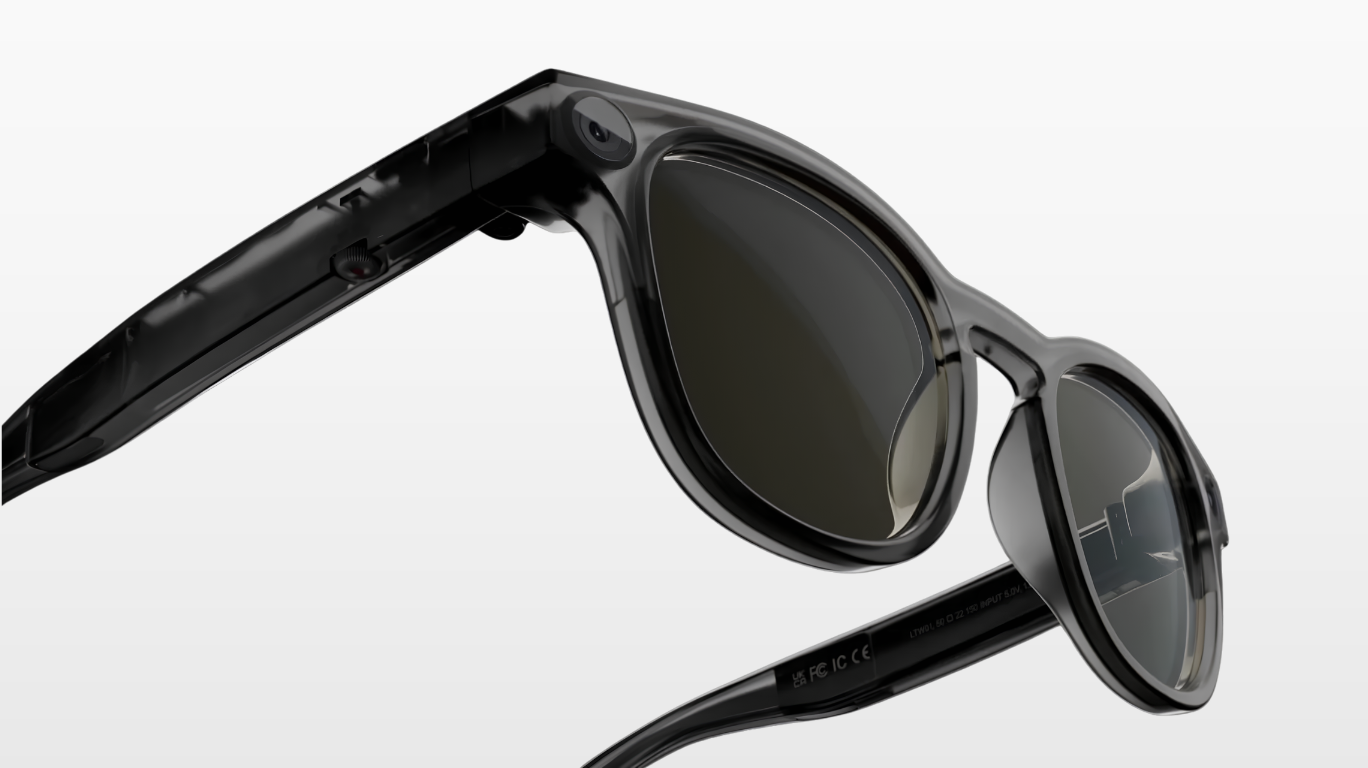
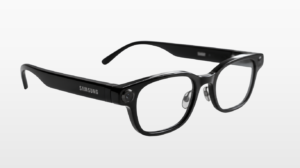
Everyday Design: Samsung’s Jinju model breaks away from the bulky sci-fi look of most augmented reality glasses and goes for an everyday design that is lightweight and suited for normal wear; weighing in at around 50 grams. The understated aesthetic borrows design elements from Meta’s Ray-Ban glasses while hiding the smart electronics inside of the thicker temple areas of the glasses.
Hardware Specs: The glasses use the Qualcomm Snapdragon AR1 chip, specifically made for long-term, lightweight wearables without overheating. The visual inputs are captured by a 12MP camera, the Sony IMX681, located on the glasses and foresightedly placed on the frame, so that the built-in AI can observe what you see. The audio is provided by discreet directional audio speakers inside the temples, so while the user will receive high-quality feedback, their surroundings will remain audible through the speakers. The power source for the Jinju’s processing needs is provided by a compact 155mAh battery, which provides a perfect balance between the processing power needed by the device AND its total weight.
The Display-less Smart Glasses Approach
Audio and Camera Focus
The Galaxy Glasses are a multimedia hub since they have a sophisticated audio/visual capture system built into them. They capture photo and video with a 12M pixel camera and provide audio feedback, phone calls, and music to the wearer via directional speakers without isolating them from their environment.
The Galaxy Glasses are designed for use with voice commands, which connect to and activate the Galaxy AI with always-on microphones. The lack of a display enables the user to utilize the glasses right away in the existing ecosystem for hands-free notification, real-time translation, and first-person content creation. With the use of waveguide optics, glasses can conserve both size and battery power.
Future Display Model

Samsung has laid the groundwork with the displayless version, but already in the works is the next version, which is much more sophisticated — the ‘Haean’. The Haean will be a premium model that includes a micro-LED high-resolution display integrated directly into the lens and aims at delivering an experience that supports true augmented reality as well as providing overlays for spatial computing and contextual information directly in your view. To achieve this, Samsung has staggered its releases by creating an ecosystem of developers and consumers prior to the time that the display version will launch so that all the software will be ready.
Software and AI Integration
Android XR and Gemini AI Capabilities
The deep, uninterrupted connectivity of your Galaxy smartphone makes it the primary device used with your Galaxy Glasses, which enhances your mobile experience by giving smart, hands-free capabilities to the glasses. The glasses use Bluetooth 5.3 and Wi-Fi protocols to maintain fast, consistent connections while being able to perform complicated tasks with ease.
The glasses also use Samsung’s proprietary Quick Pair technology for easy setup—simply bring the glasses close to your Galaxy smartphone, and you will have an immediate, secure connection. The Galaxy Glasses thus work as part of a reliable, integrated ecosystem allowing your digital world to flow seamlessly from your pocket into your field of vision.
Multimodal AI
The Galaxy Glasses are equipped with innovative software designed specifically for them. They have been developed using Google’s new Android XR operating system and utilize their unique system-level integration of the advanced Gemini AI to dramatically change the way users obtain and use information. In addition to being able to perform tasks via voice, this revolutionary multimodal artificial intelligence (AI) is able to achieve a whole new level of capabilities utilizing the camera and microphone functions of the device without requiring you to view a display.
For example, if you don’t understand a menu in another country you can simply look at it and have an immediate audio translation, if you would like to ask the AI for the visual identification of a landmark in real-time, or if you would like step-by-step directions using a map, but want the AI to deliver those directions to you in your ear via an earbud – the Galaxy Glasses make your entire physical surroundings into a highly interactive, connected smart ecosystem.
Want to upgrade your Samsung ecosystem devices? Discover the older models that are still in demand here and get the best deal.
Samsung Galaxy Glasses Release Date and Expected Pricing
Samsung Galaxy Glasses release date: The anticipated launch of these wearables is expected to take place in 2026. Recent industry speculation indicates that their official introduction could be at the Galaxy Unpacked Event scheduled for July.
The entry-level version of this expected new product is estimated to have a price range between $379 and $499.
Final Words
The Samsung Galaxy Glasses represent a major step in the direction of, AI-first, everyday wearable tech. They weigh 50 grams and have photochromic lenses and a display-less design to allow for maximum comfort while capturing both audio and video using a 12MP camera and direction audio speakers. They are powered by the Snapdragon AR1 chip and run on the Android XR platform with deep integration to their Gemini product, offering real-time translation, a visual search, and hands-free navigation with your Galaxy smartphone. A more advanced micro-LED version called Haean is scheduled to launch in 2027, however, the first generation will be available before the end of 2026 at a price range of $379-499. With Samsung blurred the lines of an accessory and an AI companion the future of ambient computing is much nearer than you think.
Stay connected for new innovations! While waiting for a new post, look at the rumors about the new foldable iPhone here.